Securing Cleanliness Excellence in Grooming Establishments through Effective Cleaning of Barber Tools
Wiki Article
Upkeeping high levels of sanitation in hair salons is critical for shielding both clients and staff from potential diseases. Grooming spaces are environments where cutting instruments and grooming equipment interact with dermal layers, strands, and at times small nicks. This renders complete washing and sterilization a necessary practice to prevent the spread of germs, viruses, and fungi. By applying consistent sanitation guidelines, stylists can establish a healthier setting, comfort clients, and comply with health requirements that govern certified barber shops.
Proper disinfection of tools starts with recognizing the distinction between washing, sanitizing, and decontaminating fully. Scrubbing eliminates visible particles such as hair, skin particles, and product residue, while decontaminating lowers the level of harmful bacteria to a controlled degree. High-level cleaning goes further by removing nearly all forms of organisms, including spores. Instruments such as cutters, blades, combs, and trimmers must experience proper processes to guarantee that every phase meets cleanliness benchmarks. Using registered cleaning solutions and adhering to the instructions ensures that equipment are both secure to handle and long-lasting over time.
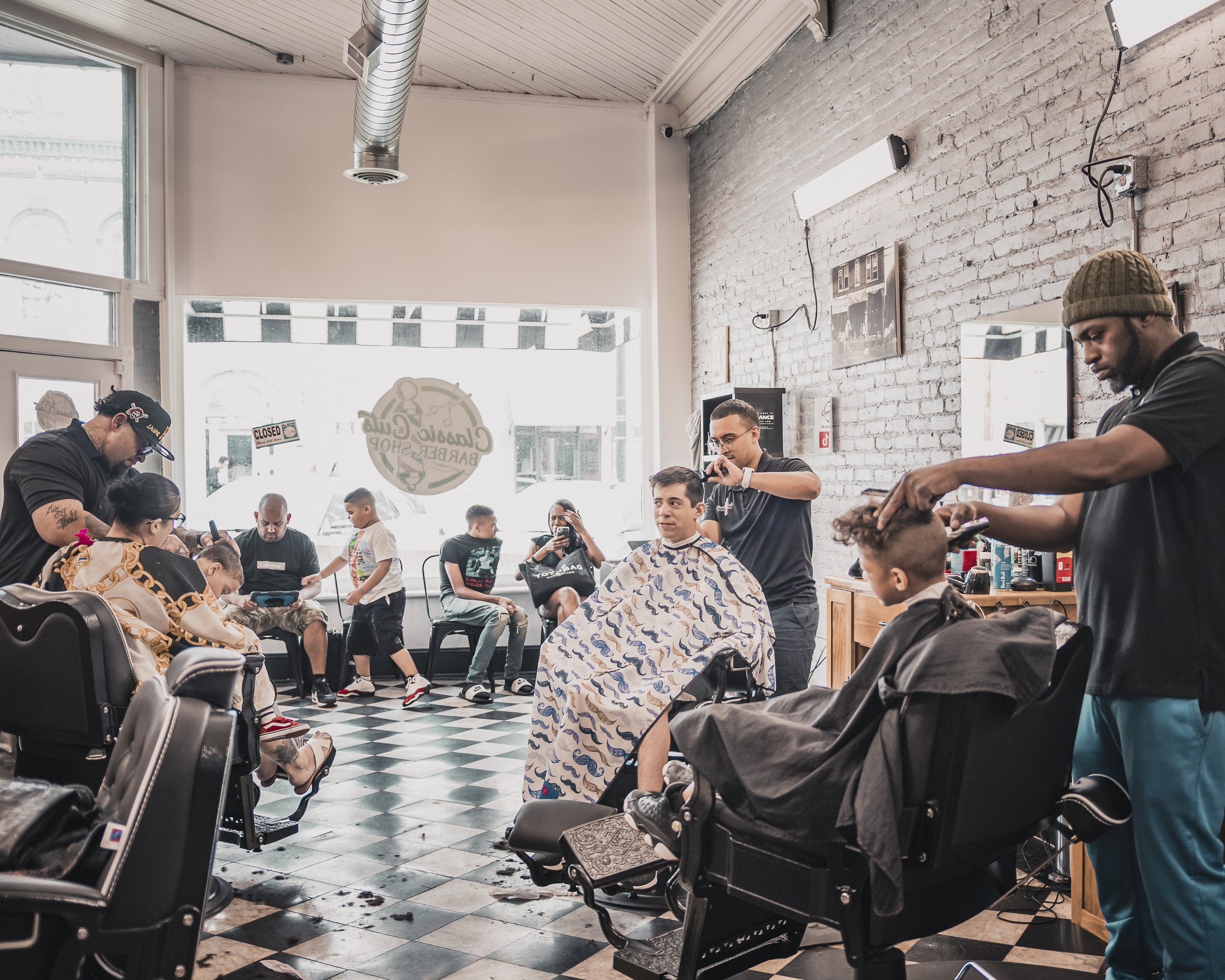
Barber shops must also prioritize the proper storage and placement of sterilized tools. Equipment that have been disinfected or web cleaned should be stored in a clean, visite site sanitary area to prevent recontamination. Separate cases, ultraviolet (UV) cabinets, or sealed containers can shield equipment from external germs. Additionally, groomers should implement the process of labeling sterilized equipment and rotating them frequently to ensure uniform hygiene practices. A structured approach to instrument handling not only enhances safety but also reflects quality to customers.
Instructing employees on efficient cleaning methods is another key component in ensuring hygiene benchmarks. Barbers and assistants should get training on correct hand sanitation, use of protective gloves, and the disinfection of high-touch surfaces such as seating, Continued counters, and washbasins. Regular instruction sessions and internal audits help ensure that cleaning routines remain uniform across the salon. Instructing employees about the hazards of infection spread and the value of adherence fosters a culture of security and accountability within the salon.
Regular review and upkeep of sterilization devices also maintain hygiene excellence. Autoclaves, vibration cleaners, and chemical disinfectants must be checked for effectiveness, and any malfunctioning devices should be replaced without delay. Using a written hygiene guide and keeping detailed logs of disinfection routines also improves regulatory conformity with local sanitation laws. By combining effective equipment sanitation, organized storage, employee education, and equipment maintenance, hair salons can ensure a safe, reliable setting that supports the well-being of each patron.